
Collection: Wall Floating Shelves
Emerging in the 1950s, floating shelves were first designed with concealed brackets, allowing them to be mounted seamlessly on walls to display lightweight books and decorative objects. At that time, the designs were simple—clean wooden planks that celebrated functionality and the beauty of natural wood. Over time, floating shelves evolved into more refined forms, including corner floating shelves—a thoughtful solution for optimizing space in modern homes. Today, wall floating shelves continue to embody a timeless, understated aesthetic. Crafted from solid wood and shaped by skilled hands, they reflect a return to honest materials and purposeful design—bringing warmth, balance, and quiet character to everyday living spaces.

-
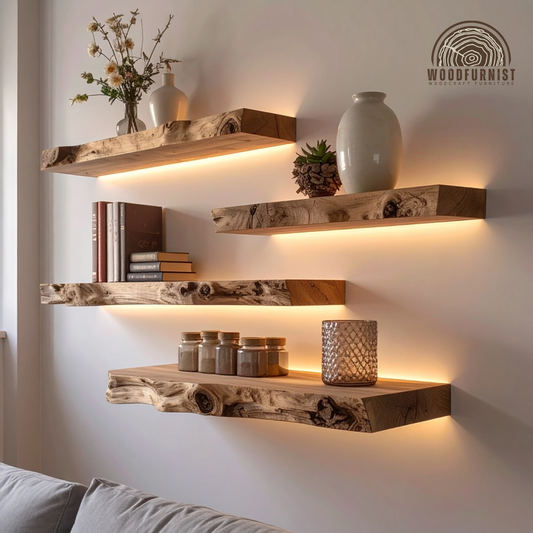
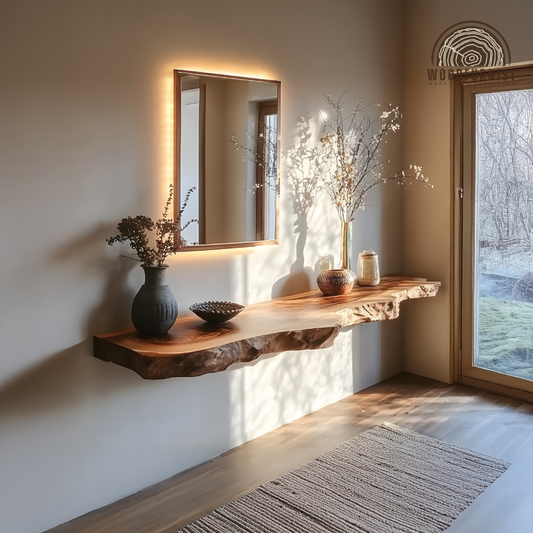
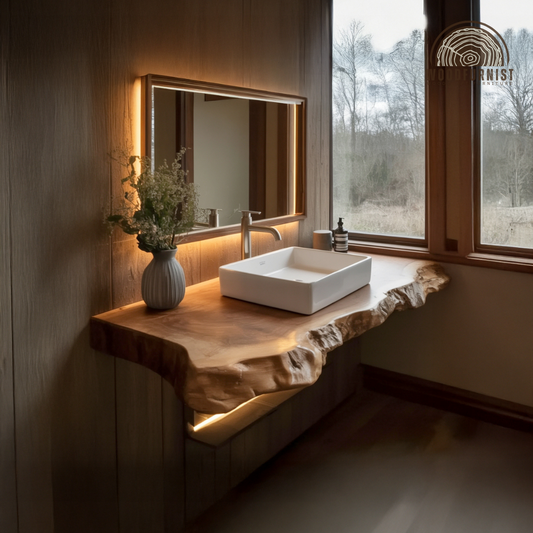
Live Edge Floating Shelves with LED Lights – Handmade Solid Wood Wall Shelves – Modern Rustic Home Decor by Woodfurnist WFNED0120
Regular price $405.90Regular price $405.90 Sale priceUnit price per -
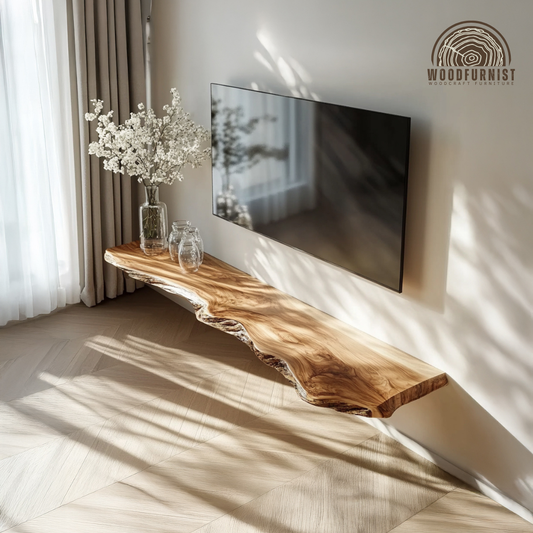
Live Edge Solid Wood Floating TV Stand– Organic Modern Masterpiece
Regular price $590.00Regular price $590.00 Sale priceUnit price per -
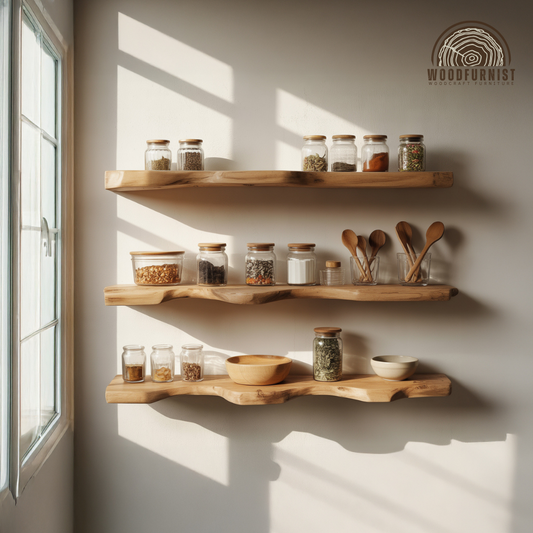
Handcrafted Solid Wood Floating Shelves Sculptural Organic Wall Shelving For Kitchen Living Room Minimalist Spaces
Regular price $405.00Regular price $405.00 Sale priceUnit price per -
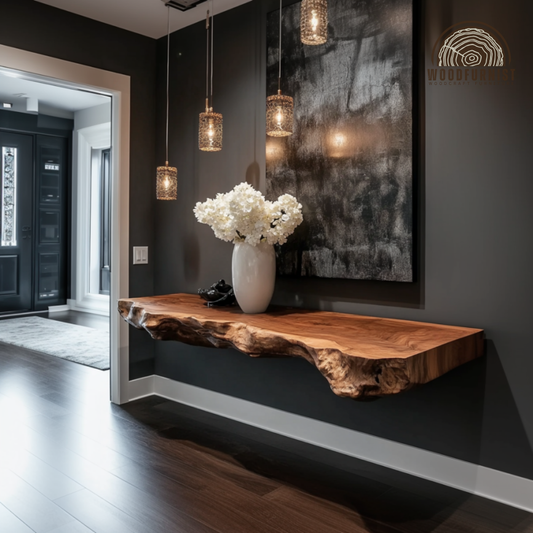
Live Edge Wood Wall Shelf – Rustic Modern Floating Shelf for Home Styling
Regular price $569.00Regular price $569.00 Sale priceUnit price per -
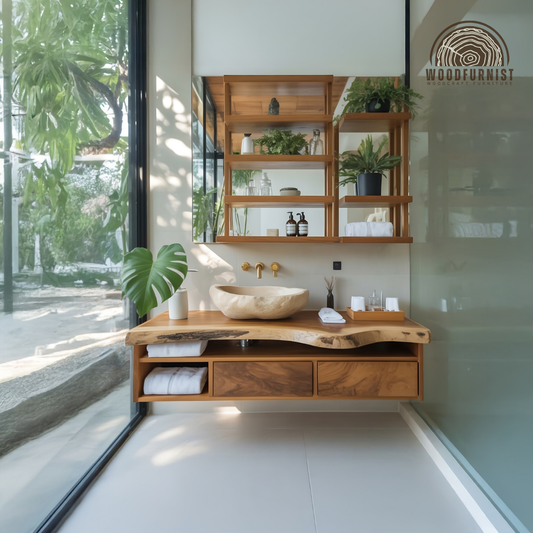
Modern Floating Bathroom Vanity – Solid Wood Vanity with Drawers & Open Shelving
Regular price $2,590.00Regular price $2,590.00 Sale priceUnit price per -
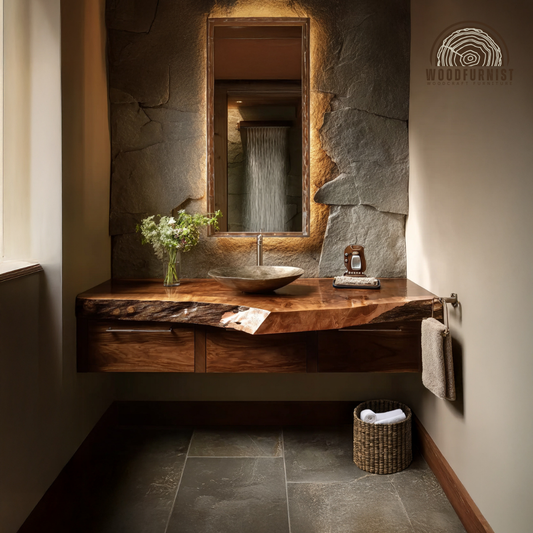
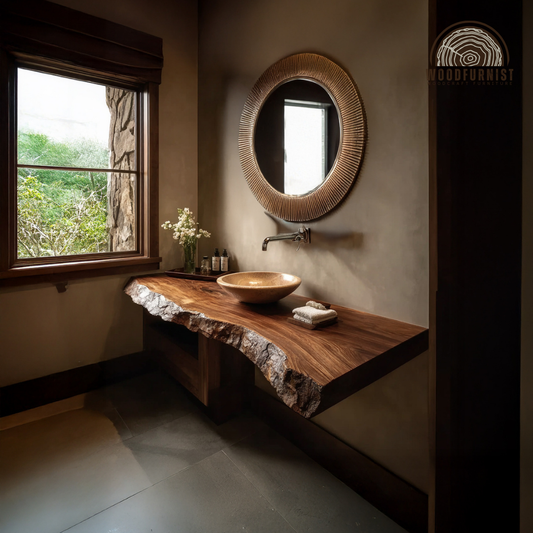
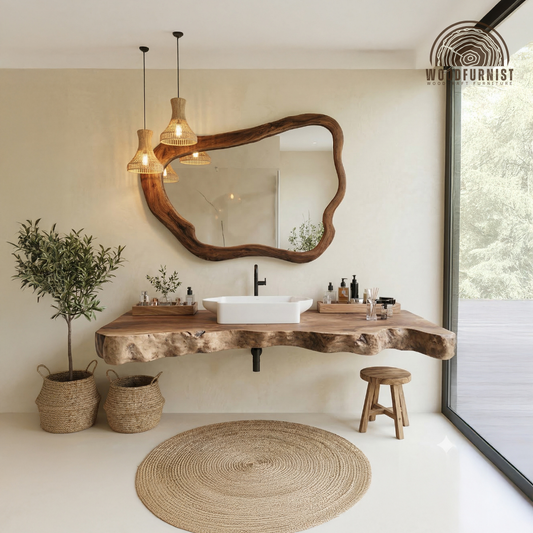
Statement Floating Bathroom Vanity – Natural Wood Live Edge Vanity for Luxury Bathroom
Regular price $2,490.00Regular price $2,490.00 Sale priceUnit price per -
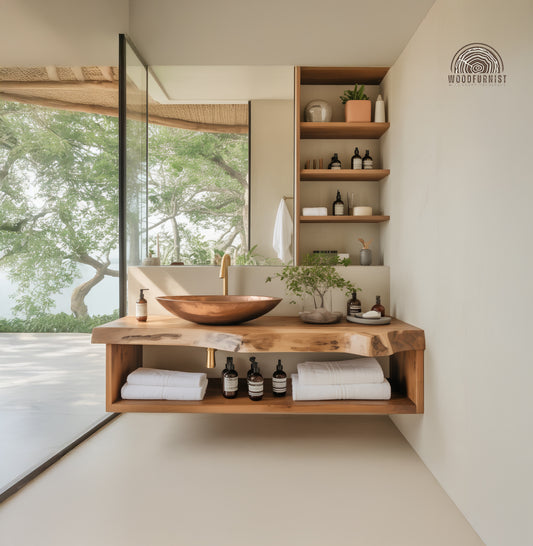
Floating Bathroom Vanity with Open Shelf – Solid Wood Wall Mounted Vanity with Storage
Regular price $2,490.00Regular price $2,490.00 Sale priceUnit price per -
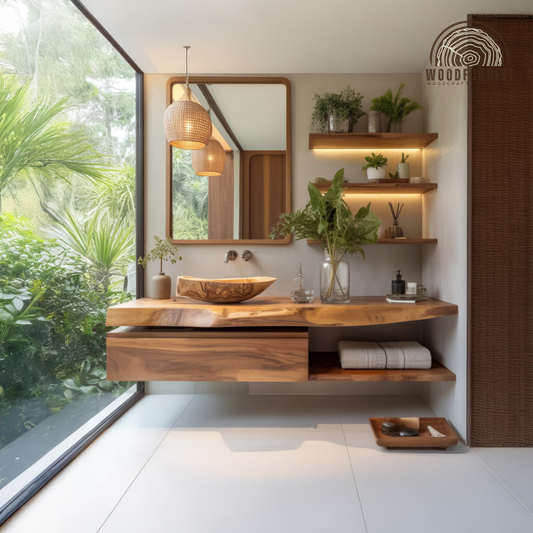
Floating Bathroom Vanity with Storage – Solid Wood Wall Mounted Vanity with Drawer & Shelf
Regular price $2,490.00Regular price $2,490.00 Sale priceUnit price per -
Natural Wood Floating Bathroom Vanity – Statement Live Edge Vanity Design
Regular price $625.00Regular price $625.00 Sale priceUnit price per -
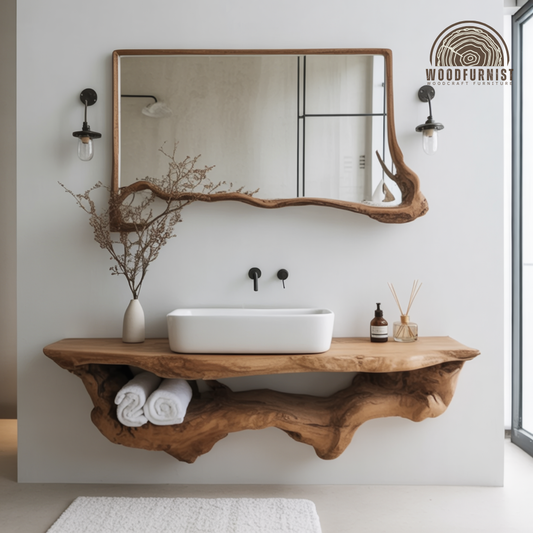
Solid Wood Floating Bathroom Vanity – Handmade Live Edge Vanity for Modern Bathroom
Regular price $405.90Regular price $405.90 Sale priceUnit price per -
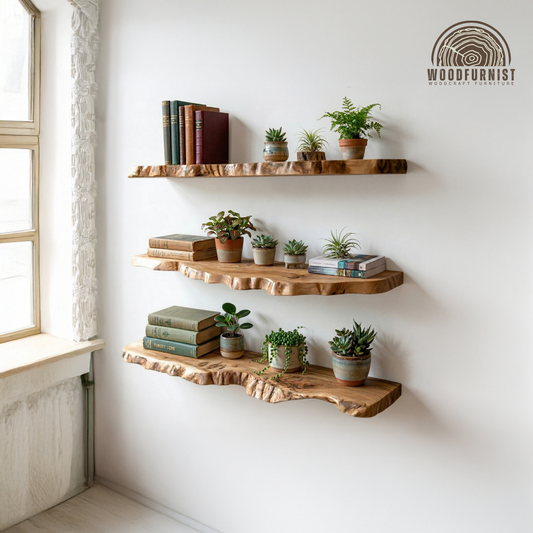
Solid Wood Floating Shelves – Handmade Live Edge Wall Shelves for Home Decor
Regular price $405.90Regular price $405.90 Sale priceUnit price per -
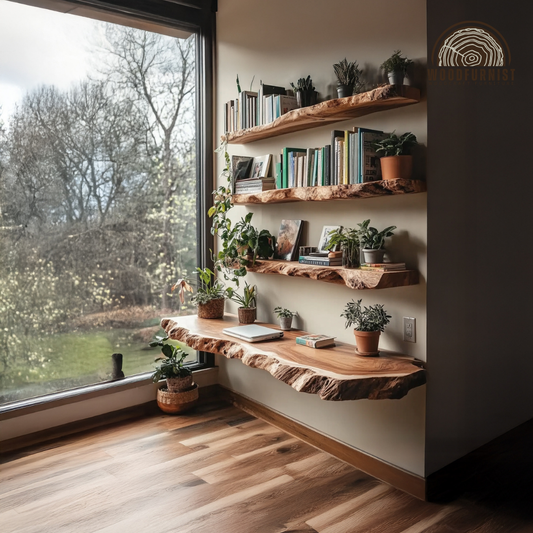
Solid Wood Floating Shelves – Handmade Live Edge Wall Shelves for Workspace
Regular price $405.90Regular price $405.90 Sale priceUnit price per -
Live Edge Wall Floating Shelf – Rustic Modern Wood Shelf for Home Decor
Regular price $405.90Regular price $405.90 Sale priceUnit price per -
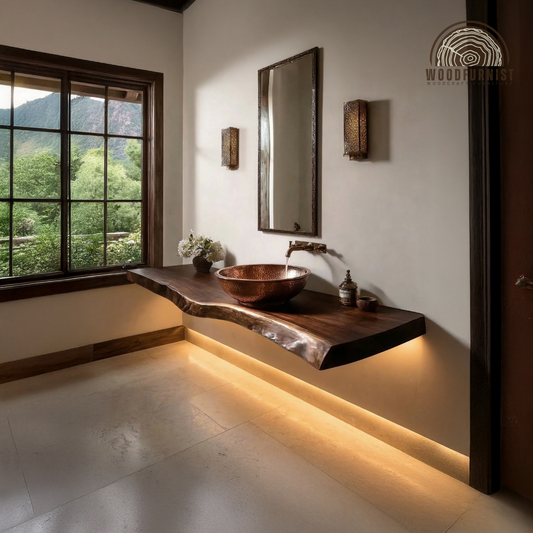
Live Edge Bathroom Vanity with Shelf – Solid Wood Floating Sink Counter with Storage WFNVA0001
Regular price $2,589.00Regular price $2,589.00 Sale priceUnit price per -
Live Edge Double Bathroom Vanity – Solid Wood Floating Sink Counter for Master Bathroom WFNVA0003
Regular price $405.90Regular price $405.90 Sale priceUnit price per -
Live Edge Corner Bathroom Vanity – Solid Wood Floating Sink Counter for Small Bathroom WFNVA0012
Regular price $405.90Regular price $405.90 Sale priceUnit price per -
Live Edge Bathroom Vanity – Solid Wood Floating Sink Counter for Rustic Bathroom WFNVA0013
Regular price $405.90Regular price $405.90 Sale priceUnit price per -
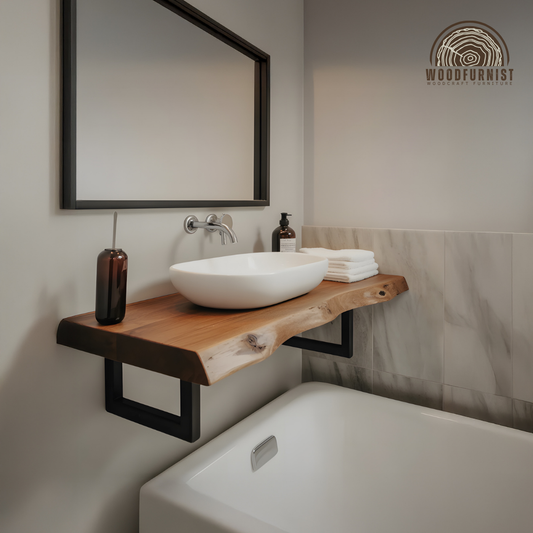
Live Edge Bathroom Vanity with Metal Brackets – Solid Wood Floating Sink Counter WFNVA0014
Regular price $405.90Regular price $405.90 Sale priceUnit price per -
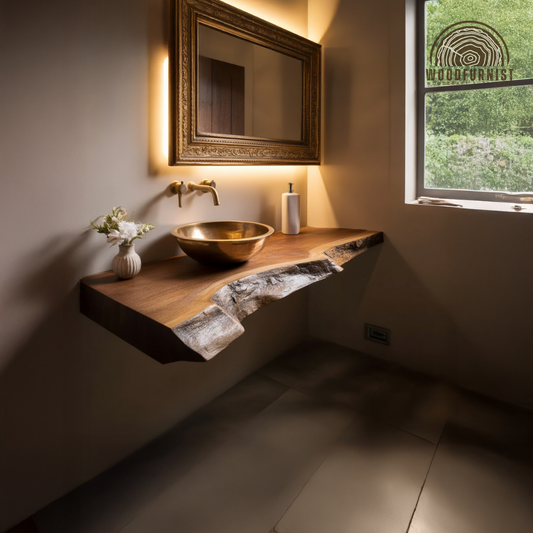
Live Edge Bathroom Vanity – Solid Wood Floating Sink Counter for Rustic Bathroom Design WFNVA0016
Regular price $405.90Regular price $405.90 Sale priceUnit price per -
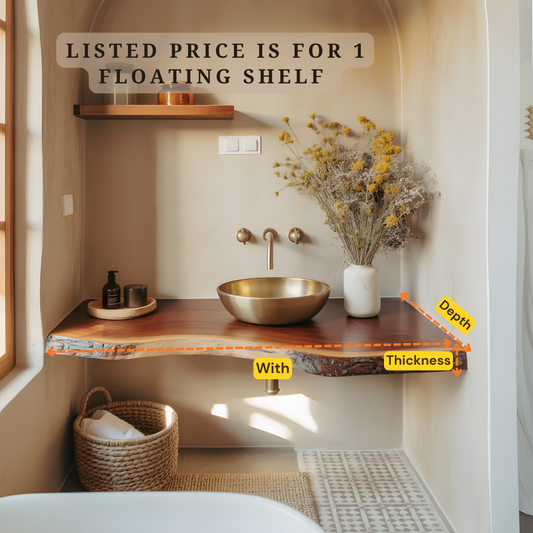
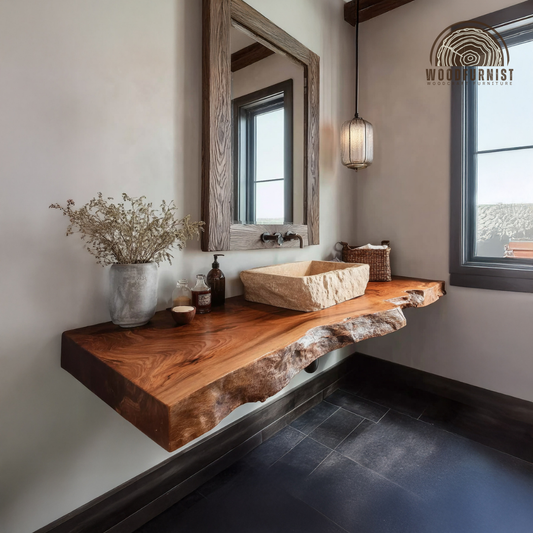
Live Edge Floating Bathroom Vanity – Solid Wood Wall-Mounted Sink Counter & Vanity Shelf WFNVA0017
Regular price $405.90Regular price $405.90 Sale priceUnit price per




















Other collections
-

Bathroom Vanities
Woodfurnist bathroom vanities combine timeless craftsmanship with everyday functionality to elevate your...
-

Coffee Tables
At Woodfurnist, our coffee tables reflect the perfect harmony of natural wood...
-

Wall Floating Shelves
Emerging in the 1950s, floating shelves were first designed with concealed brackets,...


Wall Floating Shelves FAQ -
Frequently Asked Questions
Quick answers for this collection.
Wall floating shelves are wall-mounted shelves designed to appear as if they float without visible supports. Woodfurnist wall floating shelves are crafted to add storage, display space, and natural wood character to living rooms, kitchens, bathrooms, bedrooms, and home offices.
A live edge wall floating shelf keeps the natural outer contour of the wood instead of cutting every edge into a straight line. This gives each shelf organic curves, visible grain movement, knots, and a handcrafted look that feels warmer than standard flat shelving.
Woodfurnist wall floating shelves may feature solid hardwoods such as walnut, oak, teak, acacia, and other durable wood species depending on the design. Each wood type brings its own tone, grain pattern, strength, and natural personality to the finished shelf.
Weight capacity depends on shelf size, wall type, bracket system, and installation method. For the strongest hold, mount floating shelves into wall studs whenever possible and use proper anchors for the wall material. This is especially important for books, dishes, bottles, or heavy decor.
Wall floating shelves work well in living rooms, kitchens, bathrooms, bedrooms, laundry rooms, home bars, hallways, nurseries, and entryways. Their slim profile makes them useful for small spaces where floor furniture would feel too bulky.
Wall floating shelves mount flat against one wall, while corner floating shelves are designed to fit where two walls meet. Wall shelves are ideal for long horizontal displays, while corner shelves help turn unused corners into storage or decor space.
Installation usually involves marking the wall, leveling the bracket position, securing the bracket into studs or anchors, and sliding the shelf body into place. Always check the included hardware and installation guide before mounting, especially for heavier solid wood shelves.
Yes. A solid wood wall floating shelf can work beautifully as a home bar shelf for bottles, glasses, cocktail tools, and decor. For heavier bar displays, choose a strong shelf size and mount it securely into wall studs for better support.
Yes, wall floating shelves can be used in bathrooms and kitchens for towels, jars, mugs, spices, plants, and daily essentials. In humid spaces, avoid constant water exposure and wipe moisture quickly to help protect the wood finish.
Sizes vary by design. Smaller floating shelves are useful for accents, candles, and plants, while wider shelves can hold books, framed photos, dishes, or bar accessories. Choose the length and depth based on the wall space, weight needs, and how much visual impact you want.
Mix functional and decorative items such as books, framed photos, plants, candles, ceramics, bottles, or small baskets. Use different heights and textures, leave some empty space, and let the natural wood grain remain visible instead of overcrowding the shelf.
Dust regularly with a soft dry cloth, wipe spills quickly, and avoid prolonged direct sunlight or standing moisture. For long-term care, refresh the wood surface with suitable oil or wax when needed, depending on the finish and room conditions.